
The Builders and the Butchers
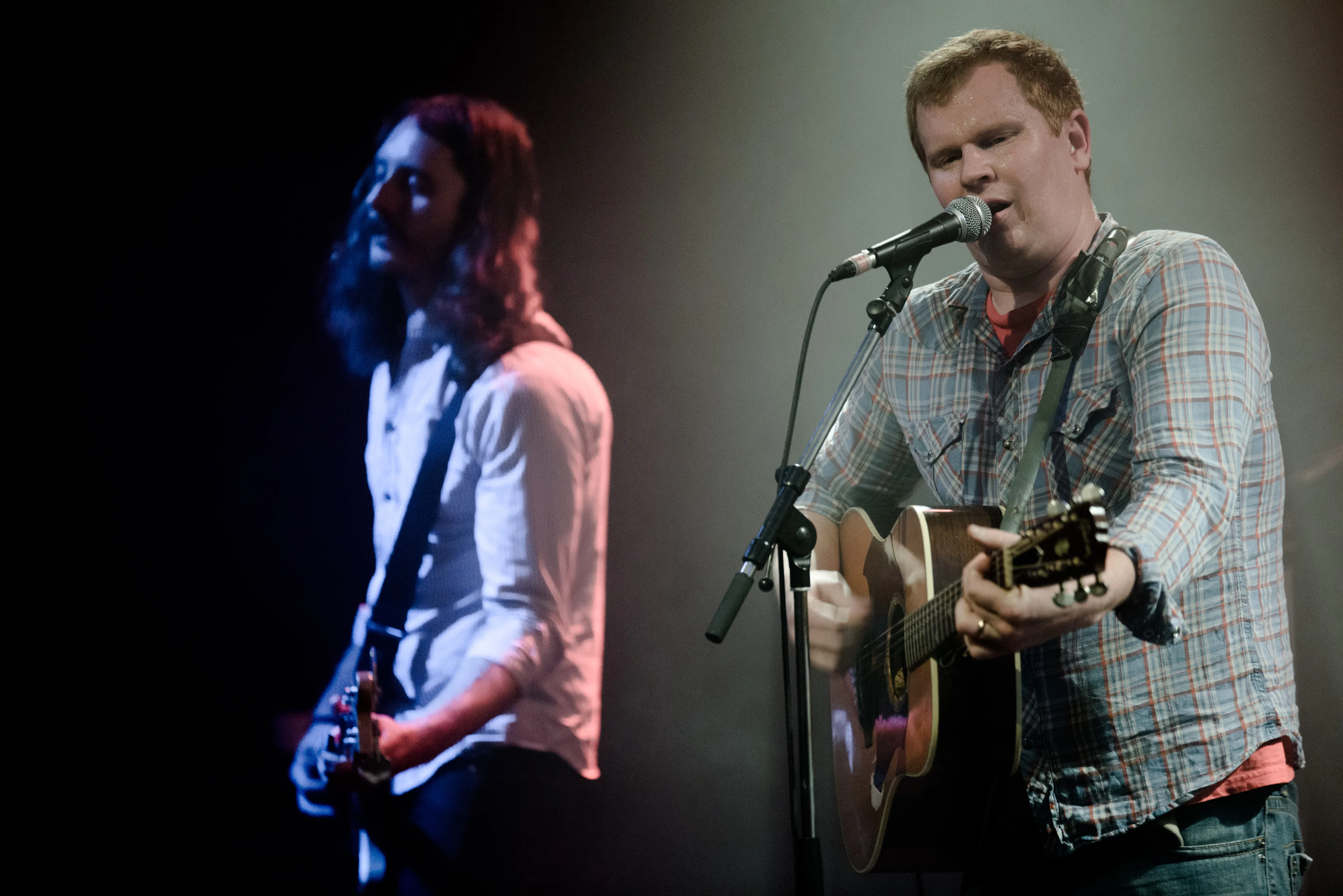
Image from Wikipedia
Image from Wikipedia
The Builders and the Butchers – Dark Folk-Rock from Portland with Narrative Weight
A Band Between Americana, Blues, and Apocalyptic Imagery
The Builders and the Butchers are one of those bands that shape a distinctive dramaturgy out of American folk-rock. Since their formation in 2005 in Portland, Oregon, the collective has connected acoustic roots with raw stage energy, blood-soaked stories, and a sound that merges folk, rock, blues, bluegrass, and soul into a dark, captivating unity. Even the debut album from 2007 established the foundational line of this artistic identity, making it clear that they do not engage in complacent Americana, but rather pursue a powerful, narrative musical career filled with edges, shadows, and pathos. (de.wikipedia.org)
The band evolved from a scene where street performances, club shows, and an unusually intense live approach led to a reputation that grew faster than classic radio hits. Frontman Ryan Sollee defines the characteristic delivery with his distinctive voice, while the lineup, comprising both rotating and permanent collaborators like Ray Rude, Willy Kunkle, Justin Baier, and Harvey Tumbleson, enriches the sound with mandolin, banjo, percussion, and ample rhythmic pressure. The result is a group sound that works equally well on stage as in the studio, securing the band as a significant fixture within the Portland music scene. (thebuildersandthebutchers.com)
The Beginnings: Portland, Alaska, Street Music, and a Shared Drive for Expression
The story of The Builders and the Butchers doesn't begin in a polished pop context, but rather in a phase of new beginnings. The members originally hailed from Anchorage, Alaska, and came to Portland independently to start anew musically. Initially, they performed under the name The Funeral Band, playing in the streets and in front of venues, before the current name emerged and the band slowly found its unique tone. (en.wikipedia.org)
Especially formative was the early live character: The group started playing acoustically, then gradually amplified, until their unusual double-percussion aesthetic for folk-rock emerged. This "deconstructed" drumming logic, where two drummers share roles, added additional tension and movement to the sound. Even in this early phase, it became clear that the band did not rely strictly on song structure, but rather on arrangement, dynamics, and an almost theatrical stage presence. (en.wikipedia.org)
The Breakthrough: From the Underground to National Attention
With their self-titled debut, The Builders And The Butchers, released in 2007 through Bladen County Records, the band created their first clear statement. The record established the blend of dark imagery, driving rhythms, and narrative songs that would henceforth become their trademark. The band name suddenly stood for a new breed of roots music: raw, archaic, intense, and modern enough to be noticed in indie and Americana contexts. (thebuildersandthebutchers.com)
The real career boost followed from their live reputation. According to the band’s website, the group quickly rose in Portland and the Pacific Northwest to become one of the most exciting live bands, performing in the USA and Europe between 2007 and 2012, appearing at festivals such as Sasquatch and Lollapalooza, and supporting acts like Portugal. The Man, Heartless Bastards, Amanda Palmer, and Murder By Death. These stages are central to the band's development, bridging the gap between the local scene and a larger audience. (thebuildersandthebutchers.com)
Discography: Works Between Ritual, Road Trip, and End-Time Ballad
The band’s discography outlines a consistently developed artistic line. Following the debut, 2011's Dead Reckoning, an album that deliberately streamlined the band’s sound and aimed for the straightforwardness of classic live recordings. In 2013, Western Medicine was released, followed by The Spark in 2017 and Hell & High Water in 2022. Their works also include split releases and early formats that underscore the DIY character of their career. (thebuildersandthebutchers.com)
Especially Dead Reckoning and Western Medicine showcase the band as masters of conciseness. Dead Reckoning was recorded with a production approach that emphasized the energy of a collective performance; the songs often tell stories from a past, mythically charged world. Western Medicine deepens the dark aesthetic with an epic, post-apocalyptic tone that has frequently been described in the music press using Cormac McCarthy imagery. The Spark and Hell & High Water expand this spectrum with shorter, harder, and more direct forms, while still retaining the narrative soul of the band. (thebuildersandthebutchers.com)
Musical Development: Between Folk Architecture and Dark Americana
The sound of The Builders and the Butchers is based on a tense balance between traditional material and raw presence. The band draws on folk, bluegrass, and blues, but shifts these styles towards indie rock, Americana, and roots rock. According to the official band description, influences range from Tom Waits to The White Stripes, and this very range explains the appeal: literary figures, dusty sound colors, pounding choruses, and a penchant for the morbid come together to form a clearly recognizable style. (thebuildersandthebutchers.com)
Production also plays a significant role in their artistic development. While Dead Reckoning focused on live interaction and minimal post-production, Hell & High Water was created over a long period during pandemic conditions, with parts recorded remotely before Edgar McCrae mixed the tracks and Ray Rude handled the production. This working method demonstrates a mature band that adapts its processes to real-life circumstances without sacrificing its identity. (thebuildersandthebutchers.com)
Critical Reception: Praise for Intensity, Narrative Power, and Stage Magnetism
The music press responded early to the band with notable attention. Pitchfork described Dead Reckoning as a sort of ramshackle end-time sermon cloaked in folk-rock, highlighting the nervous, paranoid energy that distinguishes The Builders and the Butchers from mere benchmarks in indie folk. Other voices emphasized the proximity to such dark forms of Americana that feel both archaic and vividly alive. (pitchfork.com)
The band itself refers to positive feedback from major media outlets such as Pitchfork, The Wall Street Journal, and Consequence of Sound. The official website describes Hell & High Water as an album that emphasizes narrative depth and reduced hardness, citing the assessment that the group "translates stories into music like bards." This connection between criticism, myth, and live renown is a central building block of the authority that The Builders and the Butchers enjoy in the Americana and folk-rock fields. (thebuildersandthebutchers.com)
Live Aesthetics and Cultural Impact
The band’s greatest strength lies in concert performances. According to the official band description, interactive moments arise on stage where the audience is engaged in call-and-response passages, instruments are distributed, and the group even leaves the stage area to play directly on the ground. This form of stage presence transforms a concert into a collective event and explains why the band has built a strong, loyal following, especially in live contexts. (thebuildersandthebutchers.com)
Culturally, The Builders and the Butchers represent a modern form of Americana that does not linger nostalgically but emphasizes the dark, mythical, and physical aspects of American musical traditions. The band combines traditional instrumentation with urban energy, literary imagery, and a performance aesthetic that recalls preaching, ritual, and street music simultaneously. In doing so, they occupy a niche position within folk-rock that remains particularly appealing to listeners with a sense of authentic, craft-driven compositions. (en.wikipedia.org)
Current Phase: New Releases and Tour Activities
In the 2020s, the band continues to be active. Hell & High Water was released in 2022, and the official website refers to tour activities along with an upcoming performance in 2024 with The Dead South, including a concert at the Ryman Auditorium in Nashville. The band describes the album as the result of an extended, pandemic-related working phase with members living far apart, summarizing the current character of the group amidst distance, cohesion, and renewed strength. (thebuildersandthebutchers.com)
This recent phase underscores that The Builders and the Butchers are not a static retro band. Rather, their music career is characterized by adaptation, a focus on the essentials, and a clear aesthetic signature that still feels fresh after many years. Their strength lies precisely in this: They do not sound like a band that has seen its best days, but like a formation that continually refines its repertoire. (thebuildersandthebutchers.com)
Conclusion: Why The Builders and the Butchers Continue to Captivate Today
The Builders and the Butchers are compelling because they do not see Americana as a genre template but as a narrative art form. Their songs blend atmosphere, composition, and stage energy into a sound that remains dark, passionate, and unmistakable. For those seeking folk-rock with depth, character, and intense live drama, this band transforms every concert into an event. (thebuildersandthebutchers.com)
Especially live, this band unleashes its full impact. Those who experience The Builders and the Butchers on stage will not receive polished nostalgia, but raw musicality, narrative force, and a rare form of collective energy. That is why it is worth not just listening to the band, but experiencing them live. (thebuildersandthebutchers.com)
Official Channels of The Builders and the Butchers:
- Instagram: https://www.instagram.com/thebuildersandthebutchers/
- Facebook: https://www.facebook.com/thebuildersandthebutchers/
- YouTube: https://www.youtube.com/channel/UCx69W0TWEoAFNra3b-5hDyw
- Spotify: No official profile found
- TikTok: No official profile found
Sources:
- The Builders and the Butchers – Official Band Page / About
- The Builders and the Butchers – Official Discography
- The Builders and the Butchers – Dead Reckoning
- The Builders and the Butchers – Hell & High Water
- The Builders and the Butchers – The Spark
- The Builders and the Butchers – Salvation Is a Deep Dark Well
- Wikipedia: Image and Text Source