Cultural Education & Discourse in Straubing
Cultural Education & Societal Discourse in Straubing: Preview of Upcoming Formats and Events
Which cultural formats will soon open up spaces for participation, dialogue, and revitalization of the city center in Straubing – and how can citizens help shape them?
Guiding Idea of Upcoming Culture and Discourse Formats
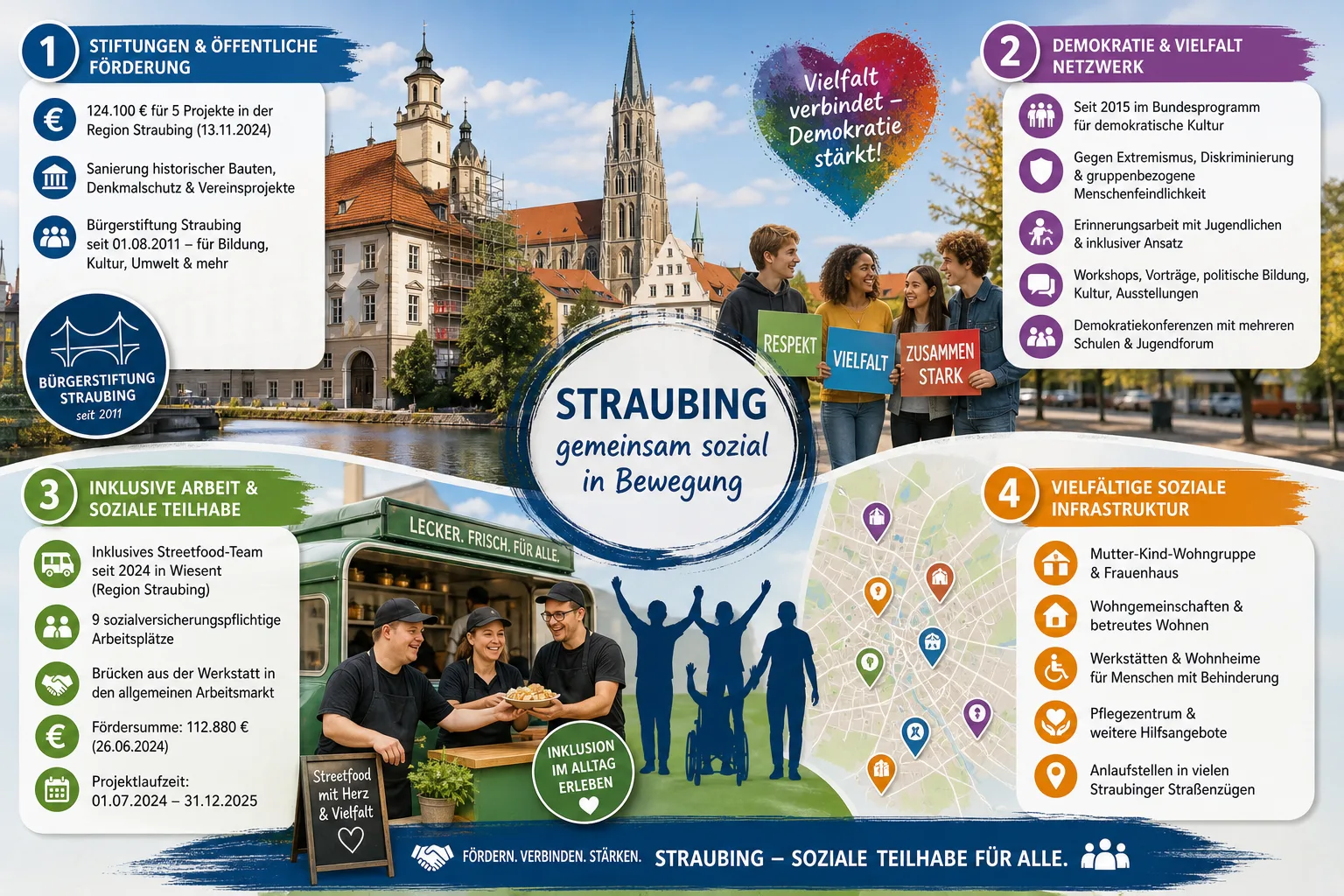
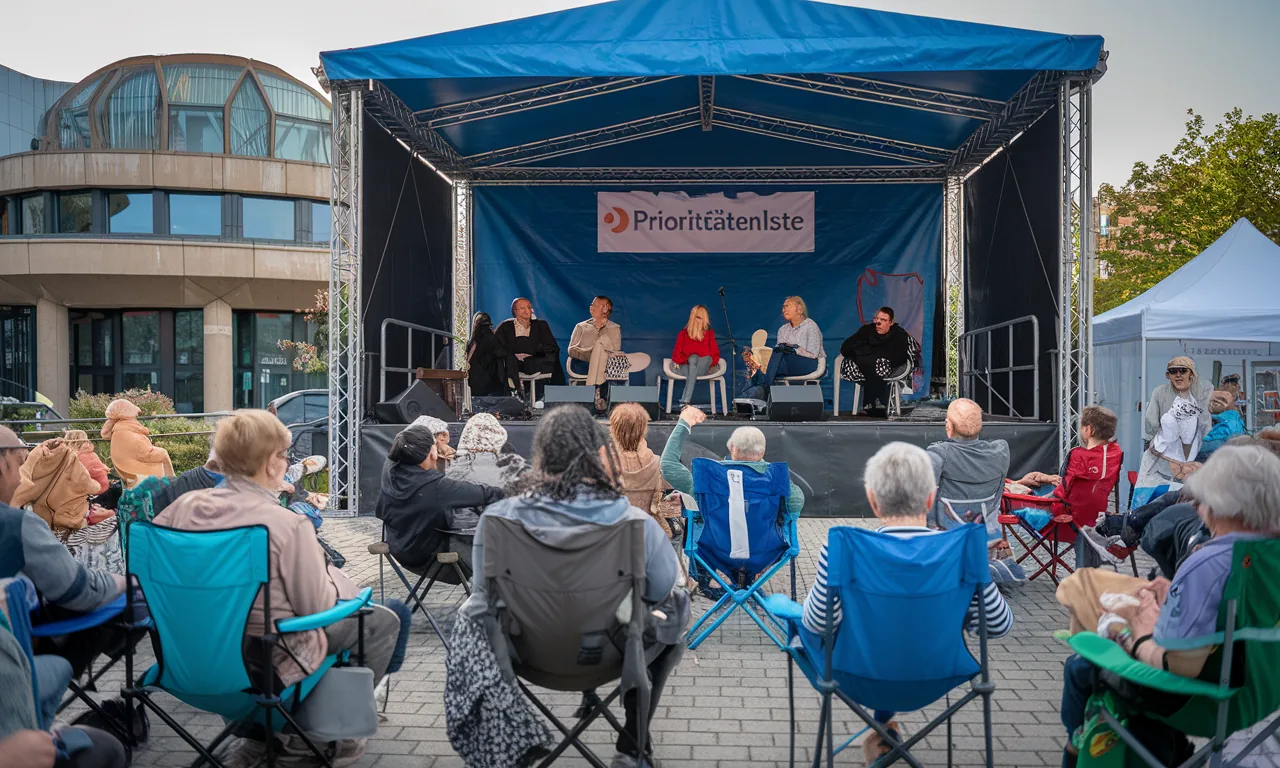
In the next event cycles in Straubing, cultural formats are intended not just to be “programs,” but to create reliable opportunities for discussion, participation, and decision-making. The focus is on planned events that combine cultural education with societal discourse – for example, through workshops, city formats, stage formats, and moderated discussions.
Two recurring principles are emerging for the planning of future offerings:
- More participation instead of one-way streets: Future events should deliberately incorporate co-creation (e.g., co-curation, open stages, workshop formats).
- More dialogue about city issues: Culture should serve as a platform to make topics such as cohesion, intergenerational justice, digitalization, climate, and city center development understandable, tangible, and debatable.
This preview describes typical formats that can sensibly interact in Straubing in the future. Concrete dates, venues, and registration links are usually published via the official channels of the organizing institutions.
What Participants Can Learn and Try Out in Future Offerings
Upcoming cultural education formats in Straubing will likely focus less on pure knowledge transfer and more on skills that practically support social participation. Planned offerings will allow participants to train abilities that are useful in everyday life – and in discourse:
- Creativity: develop own forms of expression, implement ideas as prototypes, practice changing perspectives.
- Communication: listen, argue, discuss in a moderated way, negotiate conflicts fairly.
- Social sensitivity: respect differences, recognize barriers, make spaces more inclusive.
For future programs, it is especially important that access remains low-threshold – for example, through clear information, accessible venues, age-appropriate formats, and transparent registration processes.
Municipal Roles: How Structures Enable Future Events
For future cultural and educational offerings to take place reliably, coordinated roles between the city, institutions, associations, and independent initiatives are needed. For Straubing, it is crucial that upcoming projects are not planned in isolation, but as a network of infrastructure, spaces, and collaborations.
In practice, future event series will typically be supported by several building blocks:
- Cooperation with schools and educational partners: so that cultural education can be integrated as a project week, workshop series, or evening format.
- Music and cultural offerings with performance opportunities: so that learning processes become visible (ensembles, presentations, stage moments).
- Association and initiative work: so that voluntary cultural work remains plannable and new target groups are reached.
- Local heritage and remembrance culture as a dialogue format: so that local history is not only told, but negotiated together (e.g., city walks with discussion elements).
For participants, this means: Future offerings will be particularly effective when they are recurring, accessible, and can be planned in everyday rhythms (e.g., as a monthly series or as a festival week with follow-up formats).
Outlook: Next Edition of an Interdisciplinary Festival (“Culture – Knowledge – Change”)
For an upcoming festival edition with the guiding theme “Culture – Knowledge – Change”, formats are conceivable that deliberately bring together culture and science and publicly negotiate questions about the future. Such festival weeks are usually particularly accessible when they offer various entry points – from short after-work formats to all-day family programs.
Which Program Components Make Sense for the Next Edition
- Lectures & Discussions: clearly moderated inputs with audience questions.
- Performances & Artistic Interventions: topics are not only explained, but made tangible.
- Labs & Workshops: where visitors can create themselves (e.g., writing, audio, theater, or making formats).
- Generational Formats: formats that deliberately bring together children, youth, adults, and seniors.
For such a festival to function as a dialogue platform in the future, the formats should pose concrete questions (e.g., “How do we want to live together in Straubing in the future?”) and at the same time offer spaces where opinions can be expressed safely and respectfully.
City Center Program: Planned Cultural Formats in Public Spaces
For the coming months and seasons, cultural activities in Straubing’s city center can be deliberately designed as invitations: to linger, to converse, and to rediscover places. Such formats are particularly effective when they are recurring and have low barriers to entry.
Formats Suitable for Future City Center Impulses
- Pop-up Readings and Short Concerts: short, easily accessible program items at changing locations.
- Open Stages & Participation Slots: for local talents, youth groups, associations, and project teams.
- City Walks with Discussion Stations: moderated stops on topics such as remembrance, change, use of public spaces.
- Mini-Exhibitions in Urban Space: shop windows, passages, or temporary exhibition spaces with short accompanying texts.
It is crucial that future city center formats do not fizzle out as isolated events, but create connections: through follow-up workshops, discussions, or digital documentation (e.g., audio statements or a curated collection of citizen questions).
Young Voices: Formats for Youth Participation in Culture & City Issues
For upcoming culture and discourse series, it will be especially important to involve children and young people not only as an audience, but as co-creators. Planned or future possible formats can make youth perspectives visible – and at the same time translate them into real decision-making and learning processes.
Suitable Event Formats for the Next Program Round
- Youth Forum in Festival or Series Format: moderated panels, Q&A, short inputs, and space for their own topic “pitches.”
- Media Workshop on Local Issues: short videos, podcasts, or photo series with presentation and discussion afterwards.
- Theater and Writing Projects with Public Premiere: artistic works are used as a starting point for a discussion with guests from the urban community, culture, and (if possible) municipal areas of responsibility.
- Co-Curation: young people design parts of a program (selection of topics, guests, formats) and take on moderation roles.
For youth participation to remain credible in the future, organizers should be transparent about how feedback is taken up (e.g., through a public results round or documented evaluation).
Mediation in Motion: Museum, Neighborhood, and Inclusive Practice Formats
For upcoming mediation programs in Straubing, formats are particularly effective that meet people where they are: in the museum, in the neighborhood, in schools, in associations, or in open meeting places. Future series can be consciously planned to be inclusive and socially oriented.
Practice-Oriented, Scalable Formats for the Future
- Participatory Workshops: visitors curate small presentations, develop audio contributions, or collect object stories.
- Target Group-Specific Offers: programs for daycare centers and schools, families, senior groups, as well as accessible formats.
- On-Site Cooperation: joint projects with associations, educational partners, and initiatives that extend cultural education into neighborhoods.
If future mediation consistently focuses on co-creation, learning spaces emerge in which societal discourse does not take place “at the top,” but in concrete experiences: Who tells the story? Who is heard? Which perspectives are missing? What does belonging mean in a city?
How to Participate Well-Informed in the Future (and Get Involved)
To make good use of upcoming culture and discourse events in Straubing, three practical steps help:
- Check program announcements early: Look for information on registration, access requirements, accessibility, and costs.
- Choose a suitable format: Short formats (reading, walk, discussion) are suitable for getting started. Workshops and co-curation formats are suitable for co-creation.
- Prepare your own perspective: Write down 1–2 questions in advance that you would like to bring into the discussion – especially on urban development, cohesion, and participation.
Good programs will in future be recognizable by the fact that they make results visible: through closing rounds, documentation, or repeat dates that continue discourses instead of just initiating them.