
Wolfgang Petrick
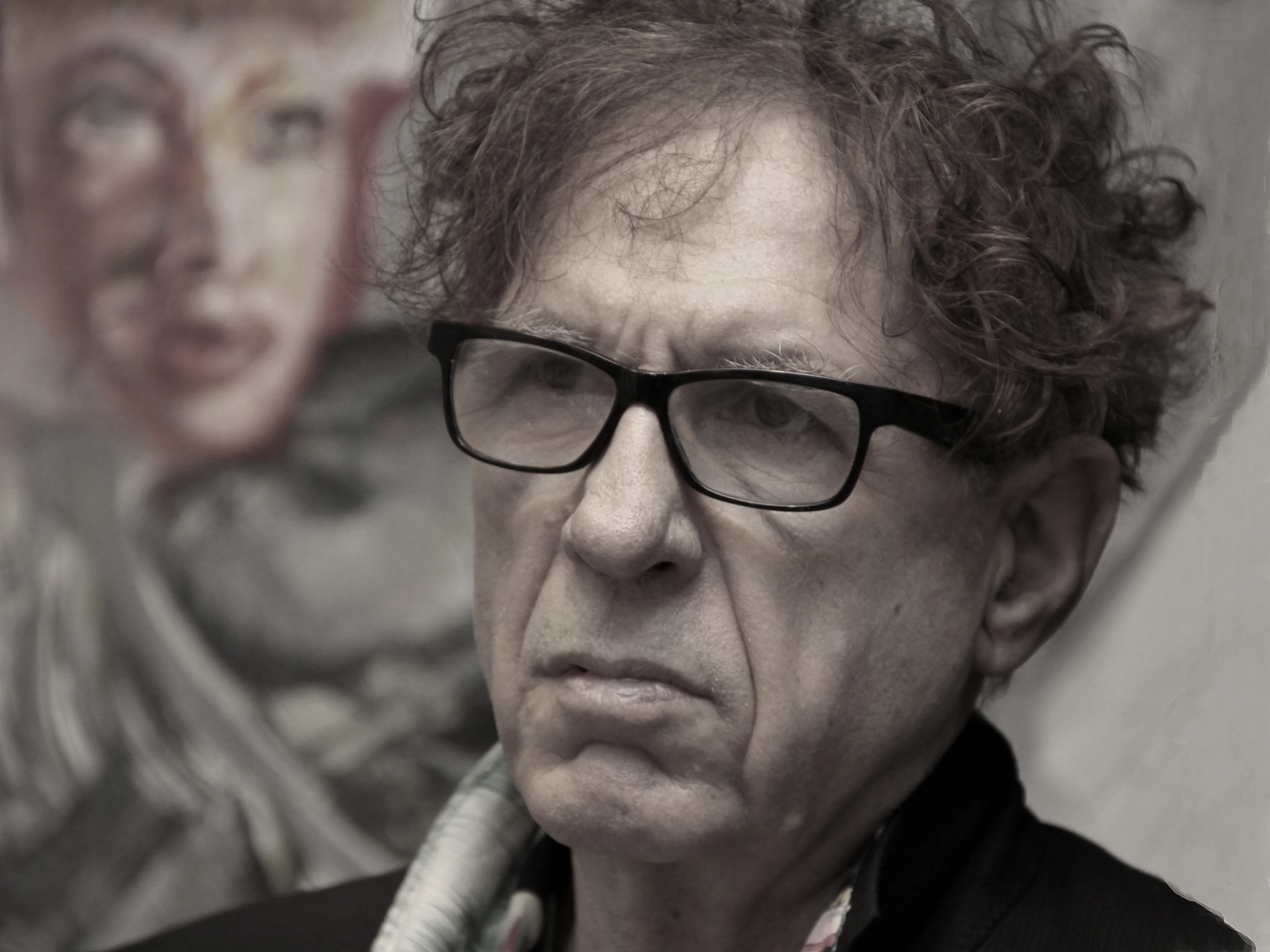
Image from Wikipedia
Image from Wikipedia
Wolfgang Petrick – The Radical Image Thinker of Critical Realism
Between Berlin, New York, and the Disturbing Beauty of the Real
Wolfgang Petrick was one of the most prominent German painters, graphic artists, and sculptors of the post-war period. Born in 1939 in Berlin and passing away there in 2025, he developed a body of work that not only advanced Critical Realism but also sharpened it with dystopian motifs, psychological density, and space-consuming installations. His art was never decorative or agreeable but focused on tension, disturbance, and a visual language that made societal fractures visible. ([de.wikipedia.org](https://de.wikipedia.org/wiki/Wolfgang_Petrick?utm_source=openai))
Biography: Berlin Influence and Artistic Breakthrough
Petrick's career began in a Berlin that, after the war, was searching for new aesthetic and societal answers. Between 1958 and 1965, he studied painting at the Hochschule für Bildende Künste Berlin under Werner Volkert, becoming his master student in 1965 and was among the early generation that positioned itself against the dominance of abstract art. Already in 1964, he co-founded the exhibition collective Großgörschen 35, one of the early independent producer galleries in Germany. This marked a clear statement for artistic independence and collective self-organization. ([poll-berlin.de](https://poll-berlin.de/galerie/en/gallery-artists/wolfgang-petrick/biography/?utm_source=openai))
The next significant step came in 1972 with the co-founding of the group Aspekt in West Berlin. In this constellation, Petrick became a key figure in Berlin's Critical Realism, a direction that combined figurative painting with social analysis, irony, and political focus. His works responded to the tensions of post-war society, urbanization, power relations, and the dark sides of progress and prosperity. His early success was not limited to Berlin but radiated widely into the West German art scene. ([poll-berlin.de](https://poll-berlin.de/galerie/en/gallery-artists/wolfgang-petrick/biography/?utm_source=openai))
Teaching and Influence: Professor, Mentor, Impetus Provider
From 1975 to 2007, Petrick served as a professor of painting and fine arts at the Hochschule der Künste Berlin, later University of the Arts Berlin. This long teaching tenure made him not only a formative artist but also an influential educator for several generations. The Deichtorhallen notes that he even taught students from the legendary Kreuzberg punk bar SO 36 – a sign of how closely his academic presence was tied to the subcultural currents of the city. ([poll-berlin.de](https://poll-berlin.de/galerie/en/gallery-artists/wolfgang-petrick/biography/?utm_source=openai))
As a university lecturer, Petrick combined painterly discipline with intellectual unrest. His position in art history was fueled by this dual role: he was not a distant observer but an actor who defended figurative painting as a critical instrument. The University of the Arts and the Poll Art Foundation document his extraordinary career with decades of continuity, academic authority, and a strong presence in the Berlin art scene. ([udk-berlin.de](https://www.udk-berlin.de/public/1_zentral/Bilder/Einrichtungen/Geschichte_der_Universitaet/Ehemalige_Professoren/Professoren_HdK_UdK_FK1.pdf?utm_source=openai))
The Breakthrough: Critical Realism as an Attitude
Petrick's breakthrough occurred in the 1970s when Critical Realism was publicly recognized as an independent, provocative visual language. An exhibition titled “Principle Realism” toured several cities in Germany and Europe, making the painting of these Berlin protagonists widely visible. Petrick's works were considered particularly compelling at that time because they did not simply illustrate societal conflicts but translated them into disturbing visual spaces. ([monopol-magazin.de](https://www.monopol-magazin.de/wolfgang-petrick-nachruf?utm_source=openai))
The Poll Gallery lists him as a co-founder of Großgörschen 35, part of the group Aspekt, and a participant in documenta 6 in 1976. He also received significant awards such as the German Critics' Prize in 1981, the Gold Medal of the 3rd International Graphic Biennale in Florence in 1972, and the art scholarship from Cité des Arts in Paris in 1971. These milestones mark not just a career progression but the rise of an artist who has sustainably shaped German post-war art. ([poll-berlin.de](https://poll-berlin.de/galerie/en/gallery-artists/wolfgang-petrick/biography/?utm_source=openai))
Work and Style: From Figure to Psychological Density
Petrick’s visual world is populated by people, spaces, and objects, yet nothing appears harmless or stable. His figures often seem isolated, in threatening environments or within tension fields reminiscent of dream logic, urban nightmares, and social unrest. The Deichtorhallen describe how his cityscapes, buildings, everyday objects, and mythical figures dissolve under centrifugal forces; Petrick himself referred to this later phase as “VORAGO,” meaning whirl and eddy. ([deichtorhallen.de](https://www.deichtorhallen.de/de/sammlung-falckenberg/wolfgang-petrick-prunk/?utm_source=openai))
In art historical classification, it is repeatedly emphasized that Petrick grew out of Critical Realism and later worked in a multimedia, installation-based, and psychologically charged manner. Monopol characterizes him as one of the most well-known representatives of the Critical Realists from West Berlin and highlights that he increasingly distanced himself from a purely socially critical interpretation. This is precisely where the tension of his oeuvre lies: between political diagnosis, artistic imagination, and an increasingly dark, independent cosmos. ([monopol-magazin.de](https://www.monopol-magazin.de/wolfgang-petrick-nachruf?utm_source=openai))
International Presence, New York, and the Opening of Space
In 1994, Petrick left Berlin for New York, where he worked regularly over many years. This relocation did not signify a departure from his themes but a further intensification of his visual language. The works from this phase appear more multimedia, spatial, and infused with a new dynamic, as if painting, sculpture, and installation were charging each other. ([deichtorhallen.de](https://www.deichtorhallen.de/de/sammlung-falckenberg/wolfgang-petrick-prunk/?utm_source=openai))
The international orientation is also reflected in the exhibition contexts: Petrick was not only present in Berlin but also in museum and gallery contexts that sharpened his position in European post-war art. Art historian Wulf Herzogenrath emphasized in the Deichtorhallen exhibition the relevance of this line of development, as Petrick's work exemplifies the art historical fractures of the last fifty years. This made his oeuvre legible far beyond a regional Berlin school. ([deichtorhallen.de](https://www.deichtorhallen.de/de/sammlung-falckenberg/wolfgang-petrick-prunk/?utm_source=openai))
Discography of the Work: Series, Media, and Major Exhibitions
Although Wolfgang Petrick was not a musician, his work has a kind of visual discography: recognizable phases, shaping motifs, and striking series that make his artistic development readable like successive albums. The Poll Gallery documents lithographs and mixed techniques such as “The Perfect Shoe” from 1968 or “Dark Man” from 1982, and points to the range of graphics, painting, and mixed media. Such works show how consistently Petrick worked between drawing, printmaking, and painterly application. ([poll-berlin.de](https://poll-berlin.de/galerie/kuenstler-der-galerie/wolfgang-petrick/grafik/?utm_source=openai))
Key transitional moments include documenta 6, the group Aspekt, the exhibition practices surrounding Critical Realism, and later retrospectives such as the show at the Sammlung Falckenberg of the Deichtorhallen. In 2017, the Liebermann House in Berlin held a major exhibition again, underscoring the lasting relevance of his work. The Poll Art Foundation continues to feature Petrick as a crucial focus of its collection, affirming his enduring presence in the art historical memory. ([deichtorhallen.de](https://www.deichtorhallen.de/de/sammlung-falckenberg/wolfgang-petrick-prunk/?utm_source=openai))
Critical Reception: Between Recognition, Irritation, and Posthumous Fame
Petrick's reception has always fluctuated between admiration and the challenge of categorizing his often dark visual language. As early as 1985, DIE ZEIT wrote of a “power and diversity” in his realism, focusing on large, menacingly charged canvases. WELT described his art as “self-therapy,” making it clear that Petrick's works dealt not only with societal criticism but also with an existential inner world. ([zeit.de](https://www.zeit.de/1985/52/kunstkalender?utm_source=openai))
Monopol honored him in 2026 in an obituary as an artist who “worked in the underbrush of reality” – an apt formula for his way of showing reality not smoothly, but shadowy, fractured, and ambiguous. This interpretation is supported by museum texts and gallery archives that position Petrick as a central figure of Berlin's Critical Realism. His posthumous fame rests on the rarity of a work that is both formally rigorous and conceptually uncompromising. ([monopol-magazin.de](https://www.monopol-magazin.de/wolfgang-petrick-nachruf?utm_source=openai))
Current Projects and Publications
Since Wolfgang Petrick passed away in 2025 in Berlin, there are no new projects, albums, or musical releases in the traditional sense. However, retrospective visibility, museum rediscovery, and ongoing presence in collections and catalogs remain crucial for his later work. The latest web references primarily concern obituaries, historical retrospectives, and exhibition contexts, but not new artistic productions. ([monopol-magazin.de](https://www.monopol-magazin.de/wolfgang-petrick-nachruf?utm_source=openai))
Voices of Fans
No official profile found.
Conclusion: An Artist with Lasting Impact
Wolfgang Petrick remains intriguing because his work not only tells a chapter of Berlin's art history but opens up an entire spectrum of figure, society, psychology, and space. He combined academic authority, experimental energy, and critical sharpness into a visual language that continues to resonate today. Those who experience his works in a museum or a well-curated exhibition encounter an artist who has not soothed realism but radically deepened it. ([deichtorhallen.de](https://www.deichtorhallen.de/de/sammlung-falckenberg/wolfgang-petrick-prunk/?utm_source=openai))
His oeuvre demands attention because it has remained consistent over decades while continually seeking new forms. This is precisely where his strength lies: in the connection of artistic development, thematic intensity, and formal precision. One should not only know Wolfgang Petrick but see him in the original, as his images evoke a presence that reproductions can only hint at. ([zeit.de](https://www.zeit.de/1985/52/kunstkalender?utm_source=openai))
Official Channels of Wolfgang Petrick:
- Instagram: No official profile found
- Facebook: No official profile found
- YouTube: No official profile found
- Spotify: No official profile found
- TikTok: No official profile found
Sources:
- Wikipedia – Wolfgang Petrick
- Poll Gallery Berlin – Wolfgang Petrick Biography
- Deichtorhallen Hamburg – WOLFGANG PETRICK P(R)UNK
- Monopol – In the Underbrush of Reality
- WELT – Art is Self-Therapy
- DIE ZEIT – Art Calendar
- Cyprian Brenner Gallery – Critical Realism
- University of the Arts Berlin – Former Professors
Upcoming Events
Opening: DYSTOPIA - Wolfgang Petrick & Friends
Museum for a Summer: DYSTOPIA - Wolfgang Petrick & Friends - VERNISSAGE
Museum for a Summer: DYSTOPIA - Wolfgang Petrick, HELMA & Friends - VERNISSAGE
Museum for a Summer: DYSTOPIA. Wolfgang Petrick, HELMA & Friends
Conversation 'I Work in Free Fall' – Tribute to Wolfgang Petrick
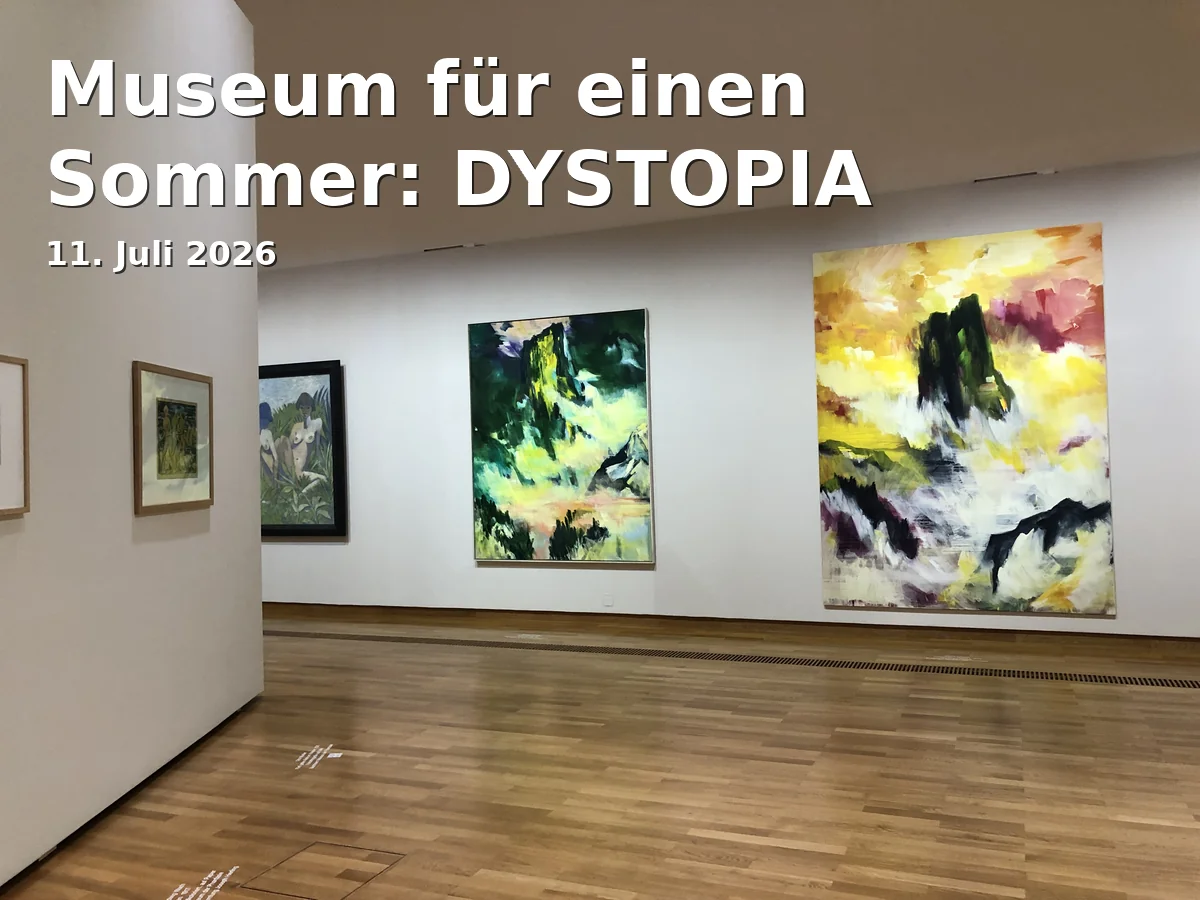
Museum for a Summer: DYSTOPIA
Curator Tour - DYSTOPIA - Wolfgang Petrick, HELMA & Friends
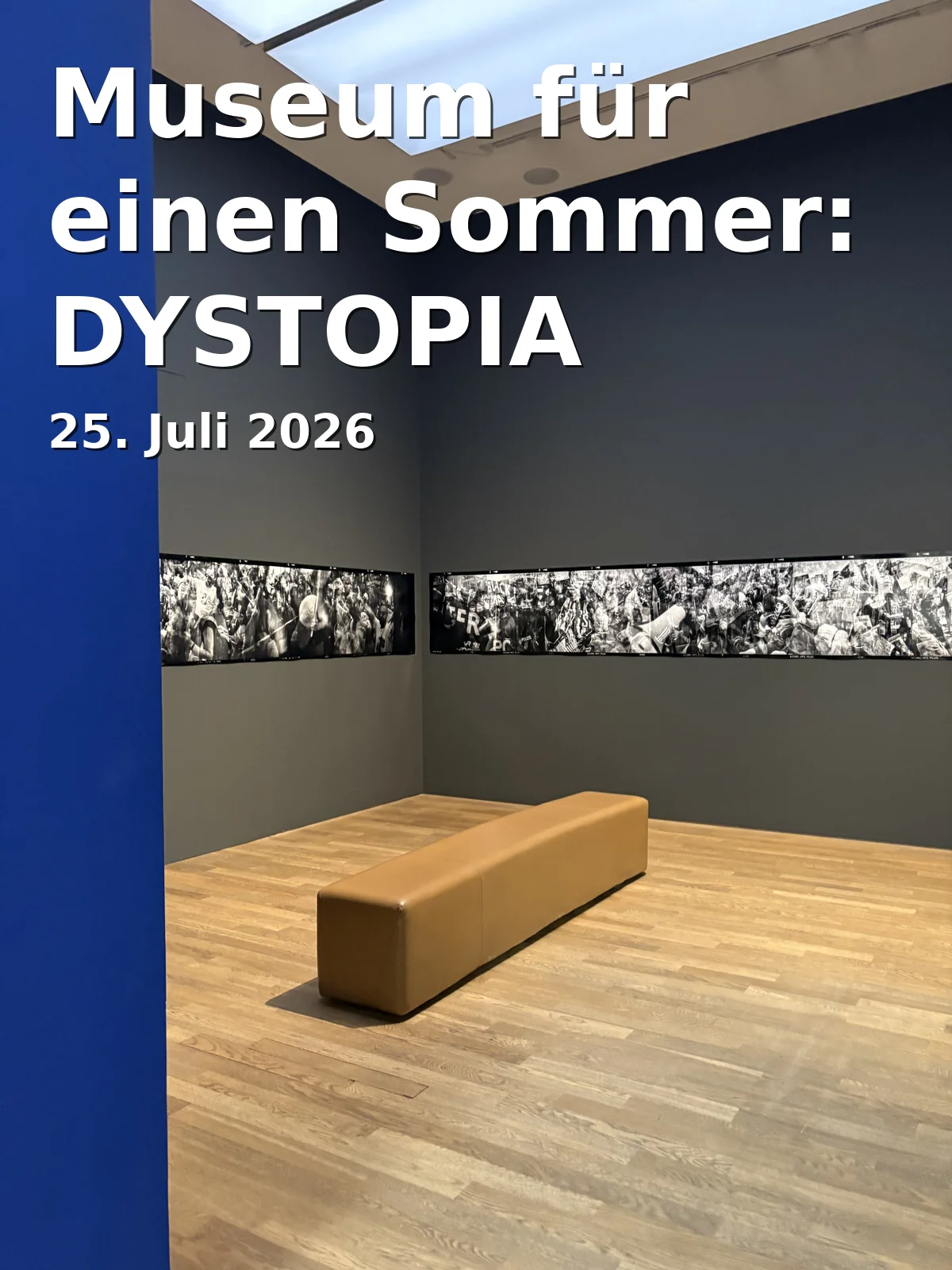
Museum for a Summer: DYSTOPIA
Museum for One Summer: DYSTOPIA