
Bauerntheater
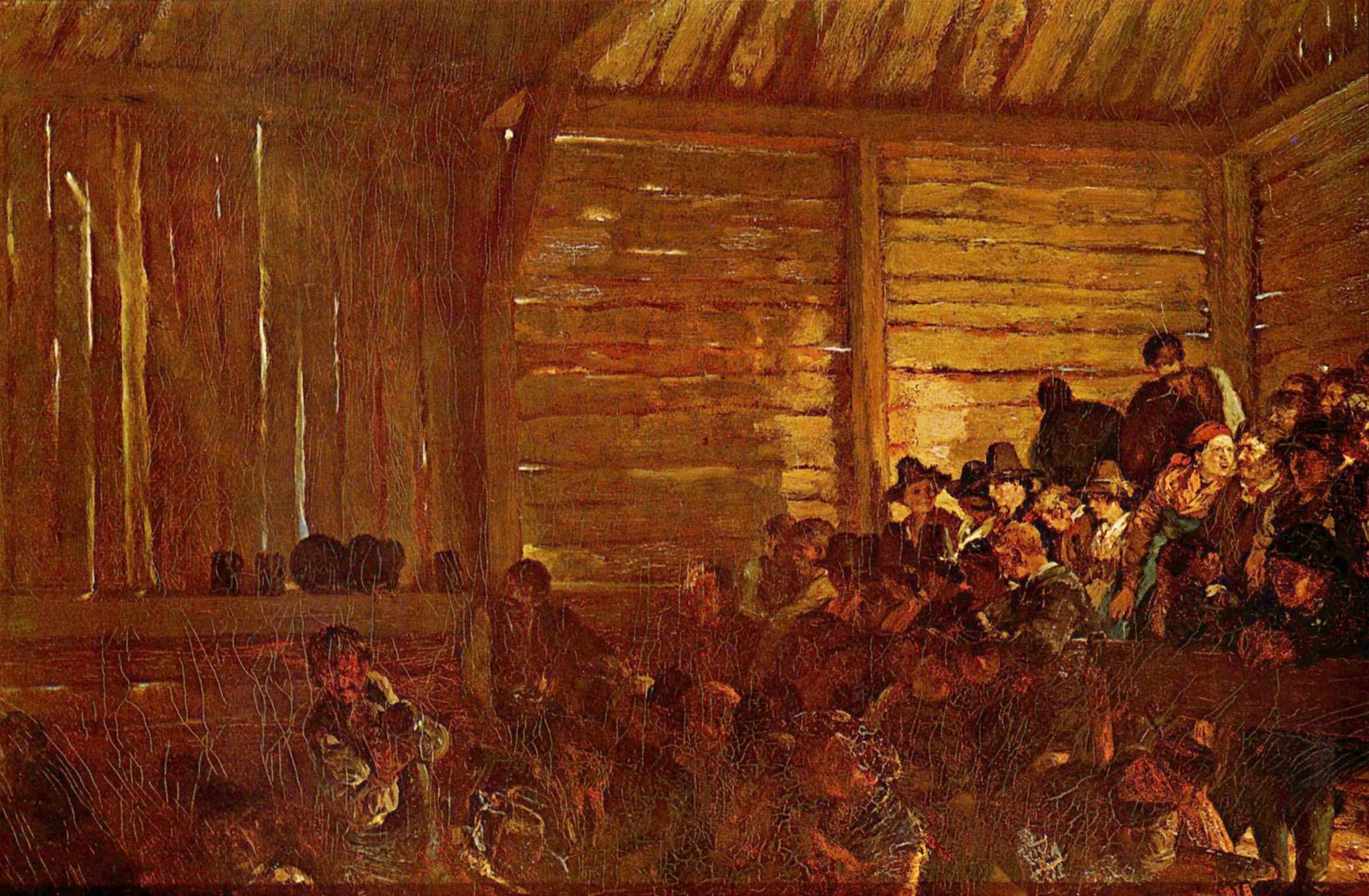
Image from Wikipedia
Image from Wikipedia
Farm Theater: The Powerful Folk Stage Between Village Comedy, Dialect, and Lively Theater Tradition
A Theater of Proximity, Characters, and Lived Everyday Culture
Farm theater refers to a dramatic form as well as a venue or institution where popular, burlesque material is performed. It often consists of comedies set in geographic proximity to the performance location, with characters typically drawn from the rural population. The genre represents a theater practice that combines everyday relevance, local color, and humorous exaggeration. ([de.wikipedia.org](https://de.wikipedia.org/wiki/Bauerntheater?utm_source=openai))
It is precisely this blend of comic exaggeration and regional grounding that makes farm theater historically intriguing to this day. Its roots lie in popular theater, dialect stages, and folk plays, which appeal to the audience not with courtly distance but with recognizable life worlds. Farm theater focuses on the rural, the down-to-earth, and the social interactions within the village, creating its own aesthetic system from these elements. ([de.wikipedia.org](https://de.wikipedia.org/wiki/Volkstheater?utm_source=openai))
Biographical Classification of a Theatrical Form with History
Farm theater is not a traditional artist biography but rather an evolved theater tradition. Nevertheless, it possesses a remarkably clear developmental line: from popular, often improvised performances, a literate form with fixed role models, local themes, and recurring motifs developed. In the 19th century, this form became more pronounced as urban theater increasingly distanced itself from rural subject matter, and farm theater gained significance as a counter-movement to the refinement of folk theater. ([de.wikipedia.org](https://de.wikipedia.org/wiki/Volkstheater?utm_source=openai))
The characters in farm theater typically come from a farming background, and the dramatic conflicts revolve around family, farm, property, marriage, neighborhood, jealousy, or social misunderstandings. It is precisely in these manageable conflicts that the genre's impact unfolds: the comedy becomes social observation, the farce turns into character study, and the dialect expresses identity. Thus, farm theater serves as a cultural archive of regional ways of life. ([de.wikipedia.org](https://de.wikipedia.org/wiki/Bauerntheater?utm_source=openai))
From Amateur Performance to Professional Stage
A central feature of farm theater is the close connection between amateur and professional performance. According to sources, amateurs or laypeople often take the stage, but with the professionalization of the field, trained actors have become increasingly important. These transitions give the genre a dynamic quality: it remains open to community stages, local ensembles, and traditional groups, without sacrificing artistic quality. ([de.wikipedia.org](https://de.wikipedia.org/wiki/Bauerntheater?utm_source=openai))
Over time, established groups and venues have emerged, including traditional houses and regional theater locations that are wholly or partially dedicated to the genre. In the theater history of the Alpine region and Southern Germany, farm theater is not just a variant but a cultural institution. It combines social involvement with stagecraft, thereby keeping a form of theater alive that thrives on proximity, dialect, and audience engagement. ([de.wikipedia.org](https://de.wikipedia.org/wiki/Bauerntheater?utm_source=openai))
Aesthetics, Dramaturgy, and Comic Power
The dramaturgical signature of farm theater is clearly recognizable: it favors manageable narrative spaces, concrete conflicts, and characters rooted in everyday life. The action often takes place in the village, at the farm, or in the immediate region, allowing for a precise depiction of social dynamics. The genre employs recognition, pointed dialogue, robust situational comedy, and a sense of types that the audience immediately understands. ([de.wikipedia.org](https://de.wikipedia.org/wiki/Bauerntheater?utm_source=openai))
Its comic power arises not only from the farce but also from the tension between seriousness and exaggeration. Farm theater can be burlesque, sometimes sentimental, often satirical, and occasionally touching. This balance lends it cultural depth: behind the laughter lie social norms, village hierarchies, and questions about how community operates. ([de.wikipedia.org](https://de.wikipedia.org/wiki/Volkstheater?utm_source=openai))
Theaters, Traditions, and Regional Roots
Notable venues and groups include Freudenberger Bauernbühne, Berchtesgadener Bauerntheater, Regensburger Bauerntheater, Grödiger Bauerntheater, Stubaier Bauerntheater, and Schlierseer Bauerntheater. These names demonstrate how closely farm theater is tied to specific landscapes and cultural spaces. It is not about abstract art production, but about a lived regional stage with its own audience and cultural memory. ([de.wikipedia.org](https://de.wikipedia.org/wiki/Bauerntheater?utm_source=openai))
Particularly in the Bavarian and Austrian regions, this led to a remarkable theater landscape where amateur stages, dialect pieces, and folk comedies continue to play an important role. The connection of dialect, local history, and familiar characters makes farm theater appear as an identity-forming cultural form. It preserves not only plays but also speech patterns, attitudes, and regional self-images. ([austria-forum.org](https://austria-forum.org/af/AEIOU/Volksschauspiel?utm_source=openai))
Cultural Influence and Theatrical Historical Significance
Farm theater is closely related to folk theater and is described in research as a counter-movement to the refinement of urban theater forms. While courtly and urban stages long emphasized distinction, farm theater placed rural characters, local conflicts, and linguistic peculiarities at its center. In doing so, it made a crucial contribution to the elevation of the ordinary on stage. ([de.wikipedia.org](https://de.wikipedia.org/wiki/Volkstheater?utm_source=openai))
Its cultural influence extends beyond theater history. It shaped notions of homeland, dialect, regionality, and popular entertainment, and influenced later forms of folk plays and popular entertainment theater. In some regions, the genre also became a carrier of local historical narratives, while in others, it became a favored repertoire for amateur ensembles and festival stages. Thus, farm theater remains a key term for popular drama in the German-speaking world. ([stadtarchiv.de](https://www.stadtarchiv.de/testbaum/timeline/detailview/das-rosenheimer-volkstheater/?utm_source=openai))
Why Farm Theater is Still Relevant Today
Farm theater captivates because it creates proximity. It speaks of people that an audience can recognize, and of conflicts that remain timeless despite all the comedy. Its strength lies not in grand gestures but in the precise observation of community, character, and language. ([de.wikipedia.org](https://de.wikipedia.org/wiki/Bauerntheater?utm_source=openai))
Those interested in theater history, dialect culture, and regional stage forms will discover a vibrant, tradition-rich, and surprisingly adaptable variant of popular theater in farm theater. This genre unfolds its greatest impact live, as timing, linguistic wit, and audience engagement are more immediate in the theater space than on paper. A visit to a farm theater stage reveals how profoundly culture can emerge from origins, humor, and shared experiences. ([de.wikipedia.org](https://de.wikipedia.org/wiki/Bauerntheater?utm_source=openai))
Official Channels of Farm Theater:
- Instagram: no official profile found
- Facebook: no official profile found
- YouTube: no official profile found
- Spotify: no official profile found
- TikTok: no official profile found
References:
- Wikipedia - Farm Theater
- Wikipedia - Folk Theater
- Wikipedia - Folk Play
- Brockhaus Encyclopedia - Farm Theater
- German Digital Library - The Farm Theater in Southern Bavaria and Tyrol
- Theater Brannenburg - Actors / Theater History
- Berchtesgaden.de - The Berchtesgaden Farm Theater
- Wikipedia: Image and text source
Upcoming Events
Farmers' Theater "Breznknödl Deschawü"