
Franz und Paul von Schönthan
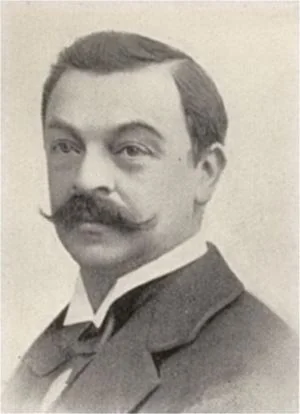
Image from Wikipedia
Image from Wikipedia
Franz and Paul von Schönthan – the brothers behind one of the longest-running classics of German-language theater
Between journalism, theater, and satirical precision: Franz and Paul von Schönthan in portrait
Franz and Paul von Schönthan represent a rare form of literary collaboration: two brothers, two writing voices, a shared theatrical success that still lives on in current playbills. The Austrian authors worked as writers, theater directors, and journalists, leaving their mark in cultural history with the farce Der Raub der Sabinerinnen. Their work combines pointed wit, precise social observation, and a keen sense of stage mechanics. ([de.wikipedia.org](https://de.wikipedia.org/wiki/Franz_und_Paul_von_Sch%C3%B6nthan?utm_source=openai))
Biographical roots and artistic environment
The brothers hailed from the noble family of Edlen von Pernwaldt and moved within a culturally rich milieu that closely linked writing and public impact. Franz von Schönthan initially worked in journalism before turning more to theater; Paul von Schönthan also combined editorial work with literary production. This dual entrenchment in the press and stage significantly influenced their style: concise, observant, strong in dialogue, and always aimed at resonating with the audience. ([de.wikipedia.org](https://de.wikipedia.org/wiki/Franz_und_Paul_von_Sch%C3%B6nthan?utm_source=openai))
This combination of journalistic observation and dramatic experience made their collaborative writing highly effective. The brothers understood the mechanics of bourgeois comedy, the precariousness of embarrassing situations, and the allure of seemingly harmless misunderstandings. Their texts thrive on timing, role comedy, and a sharp eye for social masks, making them chroniclers of a theater world that is both satirical and lovingly depicted. ([de.wikipedia.org](https://de.wikipedia.org/wiki/Franz_und_Paul_von_Sch%C3%B6nthan?utm_source=openai))
The breakthrough with “Der Raub der Sabinerinnen”
The significant, lasting success that Franz and Paul von Schönthan achieved came with Der Raub der Sabinerinnen, a farce from 1883 that premiered in 1884. The play tells the story of a high school professor who secretly wrote a pathetic Roman tragedy, and the comical complications that arise when this double life comes to light. The material quickly became a classic as it exposes the vanities of the educated bourgeoisie with unerring ease. ([de.wikipedia.org](https://de.wikipedia.org/wiki/Der_Raub_der_Sabinerinnen_%28Kom%C3%B6die%29?utm_source=openai))
The enduring impact of this piece can be attributed to its clear theatrical construction. Misunderstandings, embarrassing revelations, rising chaos, and a lovingly caricatured provincial atmosphere shape a comedy that continues to be staged anew. Theater houses still refer to the "love letter to theater" embedded in this farce and its remarkable resilience against historical distance. ([theater-schweinfurt.de](https://theater-schweinfurt.de/der-raub-der-sabinerinnen-geht-schief/?utm_source=openai))
Career between editorial work and stage
Paul von Schönthan worked among other roles as an editor of the Lustigen Blätter and later at the Wiener Tagblatt, where he leveraged his closeness to literary and journalistic formats. Franz von Schönthan also wrote for newspapers and magazines before increasingly turning to theater work. Both brothers operated in a field where feuilleton, entertainment, and stage art mutually enriched one another. ([de.wikipedia.org](https://de.wikipedia.org/wiki/Paul_von_Sch%C3%B6nthan?utm_source=openai))
These career paths show that their success was not based on a single work but on a robust professional foundation. They understood the audience, the rhythm of punchlines, and the importance of role profiles. Their work can thus be viewed not only as comedic entertainment but also as precise craftsmanship based on editorial discipline and stage experience. ([de.wikipedia.org](https://de.wikipedia.org/wiki/Franz_und_Paul_von_Sch%C3%B6nthan?utm_source=openai))
The recipe for success: Wit, timing, and societal friction
What sets the Schönthan brothers apart from many contemporaries is the elegance of their dramatic construction. They rely on clear characters, quickly comprehensible conflicts, and a comedy that arises from status, vanity, and self-deception. This very mix makes Der Raub der Sabinerinnen continuously relevant: the play functions both as a bourgeois farce and as a satire on cultural pretension. ([de.wikipedia.org](https://de.wikipedia.org/wiki/Der_Raub_der_Sabinerinnen_%28Kom%C3%B6die%29?utm_source=openai))
Journalistic in nature, their writing possesses almost its own score: dialogues follow a precise rhythm, misunderstandings are varied like thematic motifs, and comedic escalation builds in clear increments. This formal security explains why the piece can be reinterpreted in various productions repeatedly. The punchline is not accidental but follows a precise dramaturgy. ([schauspielfrankfurt.de](https://www.schauspielfrankfurt.de/spielplan/archiv/d/der-raub-der-sabinerinnen/?utm_source=openai))
Discography? Not musical, but a vibrant stage repertoire
Since Franz and Paul von Schönthan were not musicians, there is no discography in the classical sense. Their actual "repertoire" consists of theatrical texts, adaptations, and the ongoing performance history of their most famous farce. At the center is Der Raub der Sabinerinnen, which stands as a frequently performed stage classic among the most renowned comedic texts of German-language theater. ([de.wikipedia.org](https://de.wikipedia.org/wiki/Der_Raub_der_Sabinerinnen_%28Kom%C3%B6die%29?utm_source=openai))
The cultural reach of the piece is also evident in its multiple adaptations for film and theater and its ongoing presence in stage practice. Various houses emphasize the timeless quality of the text, its joy in the theater world, and its charm as slapstick with a precise foundation. Thus, a canon of works emerges that thrives not on albums but on productions, revivals, and adaptations. ([de.wikipedia.org](https://de.wikipedia.org/wiki/Der_Raub_der_Sabinerinnen_%281954%29?utm_source=openai))
Critical reception and cultural influence
The reception of Franz and Paul von Schönthan is closely tied to the success of their joint farce. Reviews and theater announcements regularly describe the piece as pointed, charming, and theater-loving, while simultaneously serving as a precisely observed satire of human vanities and provincial theater. This dual coding of lightness and substance keeps the text in the repertoire. ([theater-schweinfurt.de](https://theater-schweinfurt.de/der-raub-der-sabinerinnen-geht-schief/?utm_source=openai))
Culturally significant is the fact that their work offers a piece of theater about theater itself. Der Raub der Sabinerinnen uncovers artistic arrogance without despising its characters and turns the comedy into a mirror for the stage and its audience. In this attitude lies their enduring authority: they observe closely, cleverly exaggerate, and strike a chord with an audience that enjoys recognizing itself on stage. ([deutschlandfunk.de](https://www.deutschlandfunk.de/der-raub-der-sabinerinnen-100.html?utm_source=openai))
Why Franz and Paul von Schönthan are still fascinating today
Franz and Paul von Schönthan are captivating because their joint work demonstrates how powerful precise observation and comedic discipline can be. Their stage art combines journalistic sharpness with literary elegance and a sense of social friction that never feels outdated. Anyone experiencing their most famous play today encounters not only a classic but a vibrant study of theater, vanity, and human self-staging. ([de.wikipedia.org](https://de.wikipedia.org/wiki/Franz_und_Paul_von_Sch%C3%B6nthan?utm_source=openai))
For this reason, encountering Franz and Paul von Schönthan is still worthwhile: their humor works, their characters breathe, and their perspective on theater remains surprisingly modern. Anyone seeing a production of Der Raub der Sabinerinnen experiences comedy as the art of the exact moment. This brother duo deserves to be not only read but rediscovered on stage. ([schauspielfrankfurt.de](https://www.schauspielfrankfurt.de/spielplan/archiv/d/der-raub-der_sabinerinnen/?utm_source=openai))
Official channels of Franz and Paul von Schönthan:
- Instagram: No official profile found
- Facebook: No official profile found
- YouTube: No official profile found
- Spotify: No official profile found
- TikTok: No official profile found
Sources:
- Wikipedia – Franz and Paul von Schönthan
- Austrian Biographical Lexicon – Schönthan von Pernwaldt Franz
- Deutschlandfunk – Der Raub der Sabinerinnen
- Rowohlt Theater Verlag – Der Raub der Sabinerinnen
- Theater Maßbach – Program booklet Der Raub der Sabinerinnen
- Schauspiel Frankfurt – Der Raub der Sabinerinnen
- Theater der Stadt Schweinfurt – Der Raub der Sabinerinnen goes wrong!